
A Bigger Housing Toolbox: What Florida’s New Federal Housing Law Could Mean for Buyers
Cassandra Currier
Monday, August 31, 2026
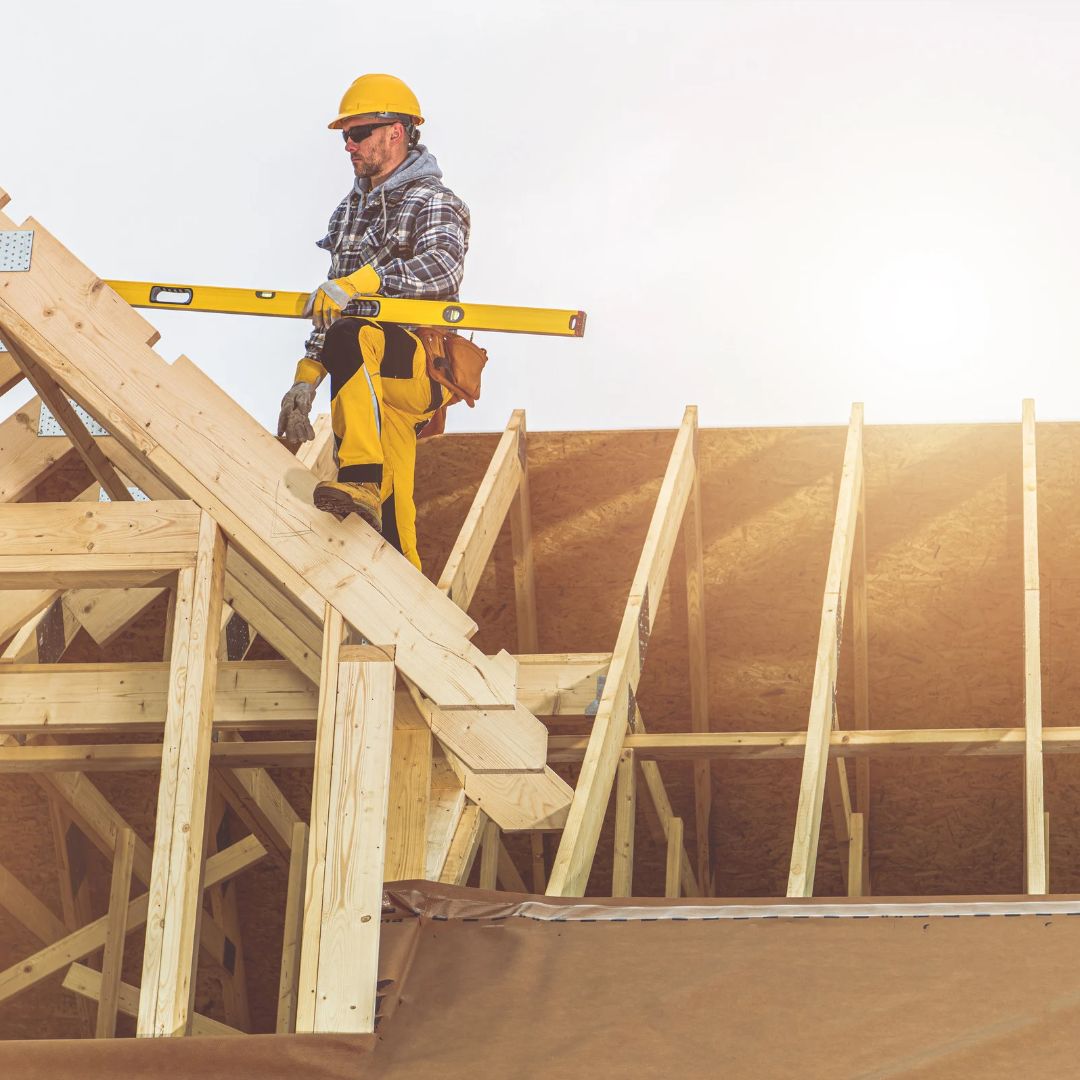
Florida’s housing market may have just gained a few new tools. The 21st Century ROAD to Housing Act, signed into law on July 11, introduces changes designed to expand housing options, improve financing opportunities, support new construction, and create a more predictable path for disaster recovery.
For Florida buyers, homeowners, and communities, the impact won't happen overnight. Many of the changes still require federal rules, funding, or state and local action. But the legislation could create meaningful opportunities over time.
Real Estate Expert Cassi Currier of The Currier Group says the legislation is worth watching.
“Florida continues to face challenges around affordability and housing supply,” Cassi explains. “Anything that creates additional ways to build homes or help qualified buyers access financing is a positive step. The key will be how these programs are implemented.”
More Flexibility for Manufactured Homes
One of the law’s most notable changes involves manufactured housing. The federal definition will be expanded to include certain homes that aren't built on a permanent steel chassis.
That could eventually allow manufacturers to explore new designs, including multistory layouts, while potentially reducing construction costs. Manufactured homes already represent about 8% of Florida's housing stock, and 8,206 manufactured homes sold statewide during the first half of 2026 at a median price of $162,500.
For buyers looking for more affordable housing options, increased flexibility could eventually mean more choices.
New Opportunities for Construction
The law also allows Community Development Block Grant funds to be used for new home construction something those funds generally couldn't support previously.
That could help communities build entry-level housing, develop vacant lots, and address housing shortages in smaller cities and rural areas.
For a state experiencing continued population growth, adding housing supply is an important piece of the affordability conversation.
A Potential Path for Smaller Mortgages
Another provision creates the possibility of a Federal Housing Administration pilot program for mortgages of $100,000 or less.
Smaller loans can be difficult to finance because lenders face many of the same administrative costs as larger mortgages. A dedicated pilot could eventually make financing more accessible for lower-priced homes, rural properties, and some manufactured homes.
However, the program still requires congressional funding and lender participation before buyers can benefit from it.
Better Prepared for the Next Storm
Florida homeowners also have a reason to pay attention to the law's disaster-recovery provisions.
The legislation authorizes the federal Community Development Block Grant Disaster Recovery program for three years and creates a dedicated HUD office to administer it. The goal is to provide communities with a more consistent framework for accessing recovery funds after major disasters.
“Having a more predictable recovery process could make a real difference for Florida communities,” Cassi says. “We know storms are part of living in Florida, so being better prepared for the recovery side matters too.”
What Happens Next?
The ROAD to Housing Act isn't going to transform Florida's housing market overnight. HUD must develop regulations, Congress must fund certain programs, Florida lawmakers may need to make changes, and local governments will determine how some available resources are used.
But the direction is encouraging.
The bottom line: Florida's housing challenges won't be solved with one piece of legislation, but expanding the toolbox gives communities, builders, lenders, and buyers more options.
As Cassi Currier puts it:
“Real estate solutions don't have to come from one place. When we create more ways to build, buy, and recover, we create more opportunities for Florida homeowners.”
For Florida buyers, homeowners, and communities, the impact won't happen overnight. Many of the changes still require federal rules, funding, or state and local action. But the legislation could create meaningful opportunities over time.
Real Estate Expert Cassi Currier of The Currier Group says the legislation is worth watching.
“Florida continues to face challenges around affordability and housing supply,” Cassi explains. “Anything that creates additional ways to build homes or help qualified buyers access financing is a positive step. The key will be how these programs are implemented.”
More Flexibility for Manufactured Homes
One of the law’s most notable changes involves manufactured housing. The federal definition will be expanded to include certain homes that aren't built on a permanent steel chassis.
That could eventually allow manufacturers to explore new designs, including multistory layouts, while potentially reducing construction costs. Manufactured homes already represent about 8% of Florida's housing stock, and 8,206 manufactured homes sold statewide during the first half of 2026 at a median price of $162,500.
For buyers looking for more affordable housing options, increased flexibility could eventually mean more choices.
New Opportunities for Construction
The law also allows Community Development Block Grant funds to be used for new home construction something those funds generally couldn't support previously.
That could help communities build entry-level housing, develop vacant lots, and address housing shortages in smaller cities and rural areas.
For a state experiencing continued population growth, adding housing supply is an important piece of the affordability conversation.
A Potential Path for Smaller Mortgages
Another provision creates the possibility of a Federal Housing Administration pilot program for mortgages of $100,000 or less.
Smaller loans can be difficult to finance because lenders face many of the same administrative costs as larger mortgages. A dedicated pilot could eventually make financing more accessible for lower-priced homes, rural properties, and some manufactured homes.
However, the program still requires congressional funding and lender participation before buyers can benefit from it.
Better Prepared for the Next Storm
Florida homeowners also have a reason to pay attention to the law's disaster-recovery provisions.
The legislation authorizes the federal Community Development Block Grant Disaster Recovery program for three years and creates a dedicated HUD office to administer it. The goal is to provide communities with a more consistent framework for accessing recovery funds after major disasters.
“Having a more predictable recovery process could make a real difference for Florida communities,” Cassi says. “We know storms are part of living in Florida, so being better prepared for the recovery side matters too.”
What Happens Next?
The ROAD to Housing Act isn't going to transform Florida's housing market overnight. HUD must develop regulations, Congress must fund certain programs, Florida lawmakers may need to make changes, and local governments will determine how some available resources are used.
But the direction is encouraging.
The bottom line: Florida's housing challenges won't be solved with one piece of legislation, but expanding the toolbox gives communities, builders, lenders, and buyers more options.
As Cassi Currier puts it:
“Real estate solutions don't have to come from one place. When we create more ways to build, buy, and recover, we create more opportunities for Florida homeowners.”
We would like to hear from you! If you have any questions, please do not hesitate to contact us. We are always looking forward to hearing from you! We will do our best to reply to you within 24 hours !